
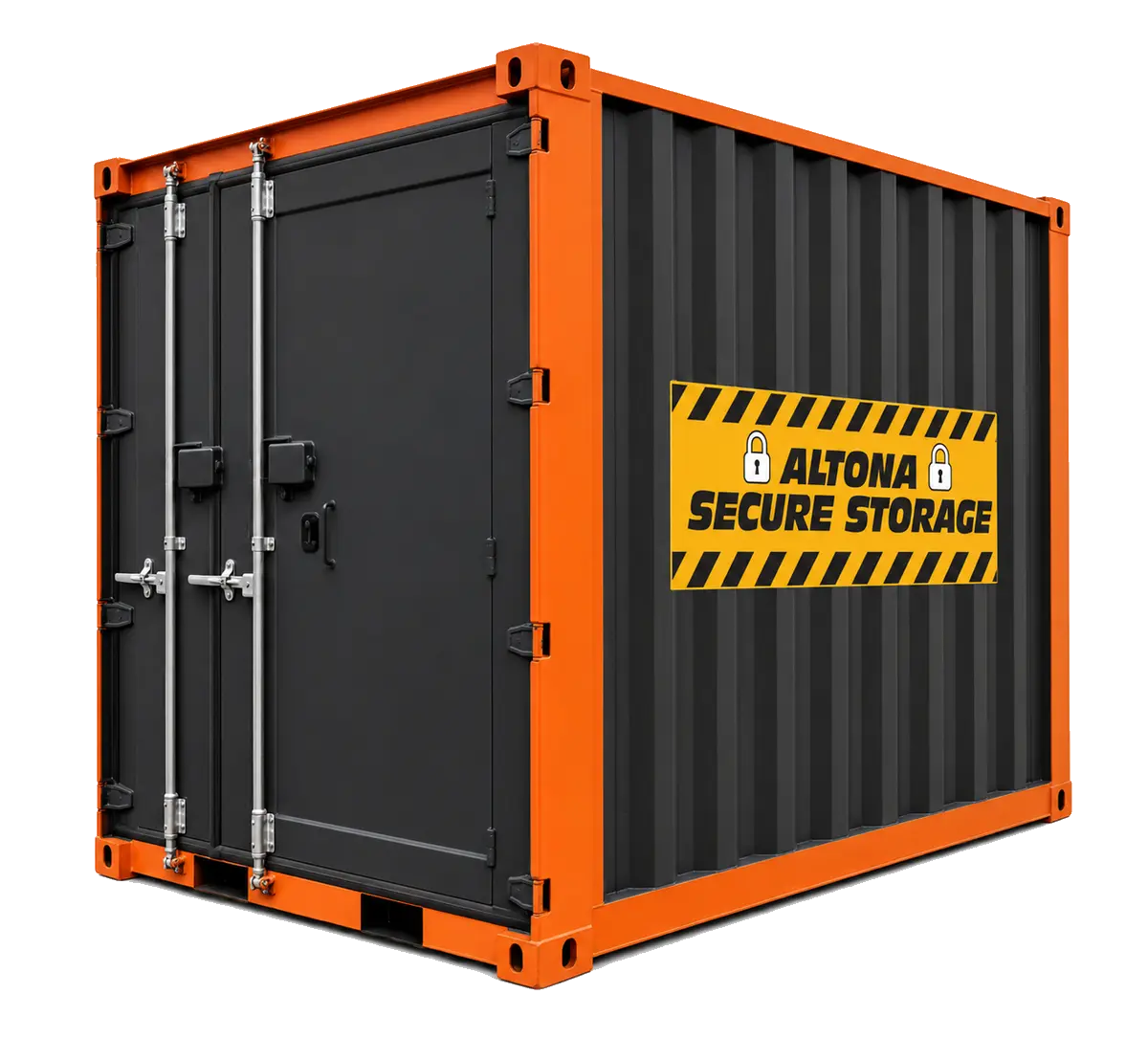
A little preparation before move-in can protect your belongings, make better use of the container and save time whenever you need something. The most effective approach is simple: store items clean and dry, pack them consistently, label them clearly and load with future access in mind.
Before you start packing
Begin by sorting everything into four groups: store, keep with you, donate and dispose of. There is little value in paying to store broken furniture, expired products or items you no longer need. This first pass also gives you a more accurate picture of the container size required.
Create a simple inventory
List the main items and number your boxes. A phone note or basic spreadsheet is enough. Record each box number, its general contents and where you plan to place it. Photographing valuable or complex items before packing can also help you remember their condition and how they were assembled.
Clean and dry everything thoroughly
Dirt, food residue and moisture can create unpleasant surprises during storage. Wipe down hard surfaces, vacuum upholstered pieces and allow every item to dry completely before wrapping it. Never pack damp fabric, recently cleaned rugs or wet outdoor equipment.
Gather suitable packing materials
- Strong cartons in a few consistent sizes
- Furniture blankets, clean sheets and breathable covers
- Packing paper, bubble wrap and corner protectors
- Quality tape, permanent markers and large labels
- Small zip bags for screws, bolts and furniture fittings
Preparing furniture and appliances
Disassemble furniture where practical
Remove legs from tables, take apart bed frames and separate modular furniture. This reduces awkward gaps and makes pieces easier to carry. Put fittings in a labelled bag, then tape or tie the bag securely to the matching component. Do not stick strong tape directly to finished timber or upholstery.
Protect surfaces without sealing in moisture
Use clean blankets or breathable furniture covers to guard against scuffs. Protect corners and glass separately. Plastic wrap can be useful for securing drawers or keeping protective padding in place, but belongings should be completely clean and dry before they are enclosed.
Prepare appliances early
Defrost fridges and freezers, drain washing machines and hoses, and clean every appliance before move-in. Allow several days for interiors and seals to dry. Where safe and practical, keep appliance doors slightly ajar during storage to encourage airflow, and secure loose cables so they cannot catch during loading.
Record the dimensions of sofas, mattresses, appliances and other bulky pieces. Their shape may influence whether a 10ft or 20ft container is the right option.
Packing boxes, clothing and documents
Match the box to the contents
Use smaller cartons for books, tools and other heavy belongings. Larger cartons are better for light items such as linen and cushions. Fill empty spaces with packing paper so contents do not shift, but avoid overfilling until the sides bulge or the lid cannot close flat.
Label more than one side
Write the box number, room and a short description on the top and at least one side. Add a visible note for fragile items and arrows where orientation matters. A label hidden against a wall is no help, so place identifiers where they can still be seen once boxes are stacked.
Store fabric only when clean and dry
Wash and fully dry clothing, bedding and soft furnishings. Fold items neatly into sealed storage tubs or suitable bags, avoiding excessive compression that could damage delicate materials. Keep frequently needed seasonal clothing near the front.
Give important records extra thought
Use lidded, clearly labelled containers for household papers or business archives. Keep irreplaceable documents, identification, sensitive records and anything you may need urgently somewhere more appropriate and immediately accessible.
How to load your storage container
Sketch the layout first
Divide the container into broad zones—such as furniture, kitchen, tools or stock—and keep the plan with your inventory. Put items you are unlikely to need at the back and reserve the area near the doors for regular access.
Build a stable base
Place sturdy, heavy items low and distribute weight across the floor. Stack boxes with the heaviest at the bottom, keeping each column level. Avoid leaning heavy pieces where they could shift or placing fragile cartons beneath furniture.
Use height carefully
Vertical space is valuable, but every stack should remain stable. Similar carton sizes are easier to arrange safely. Shelving may help with frequently accessed belongings if it is suitable for the load and permitted at the facility.
Leave an access path
If you expect to visit during the storage period, leave a central or side aisle. Face box labels toward the path and keep a small step stool near the entrance if you use higher shelves. The slight reduction in packed capacity is usually worth the convenience.
Check what can be stored
Ask the team before storing anything flammable, hazardous, perishable, pressurised, battery-powered or otherwise regulated. Storage conditions and acceptance rules vary, so never assume a potentially risky item is suitable. Do not store food or anything that may attract pests.
Move-in day checklist
- Every item is clean and completely dry
- Boxes are closed, numbered and labelled on multiple sides
- Furniture fittings are bagged and matched to each item
- Fragile pieces have suitable padding and clear labels
- Heavy items are ready to be loaded first and kept low
- Frequently needed belongings are grouped for front access
- Your inventory and basic container layout are saved
- You have confirmed any restricted or unusual items with the team
Good preparation turns a container into an organised extension of your home or business. If you are comparing your options first, see our guide to container storage versus traditional self storage. When you are ready, request availability at our Altona facility or review our secure storage service areas across Melbourne's west.