For a growing business, spare space has a habit of disappearing. Stock enters faster than it leaves, tools compete with vehicles and archived materials occupy useful work areas. A dedicated storage container can provide flexible overflow space without turning the office, garage or workshop into a permanent storeroom.
When business container storage can help
Container storage is most useful when you know what needs to leave the workplace and why. A clear purpose makes it easier to select the right size, organise the interior and review whether each item should remain in storage.
Seasonal and campaign stock
Retail displays, event equipment, promotional materials and seasonal inventory may only be needed for part of the year. Moving them into a dedicated space can free valuable shelves and work areas while keeping the next campaign organised.
Trade tools and project materials
Contractors and project teams can use storage for tools, packaged materials and equipment between jobs. Grouping items by project or work type reduces the time spent searching through a crowded vehicle, garage or workshop.
Workspace changes
A fit-out, relocation or renovation often creates a temporary mix of furniture, equipment and packed records. Container storage provides a single holding space while the new workplace is prepared, helping keep operational areas clear.
Archive and equipment overflow
Non-sensitive archives, spare furniture and equipment that is used infrequently can consume expensive commercial floor space. Before moving records into storage, check retention, privacy and access requirements, and keep critical or confidential materials in an appropriately controlled system.
Choosing between 10ft and 20ft
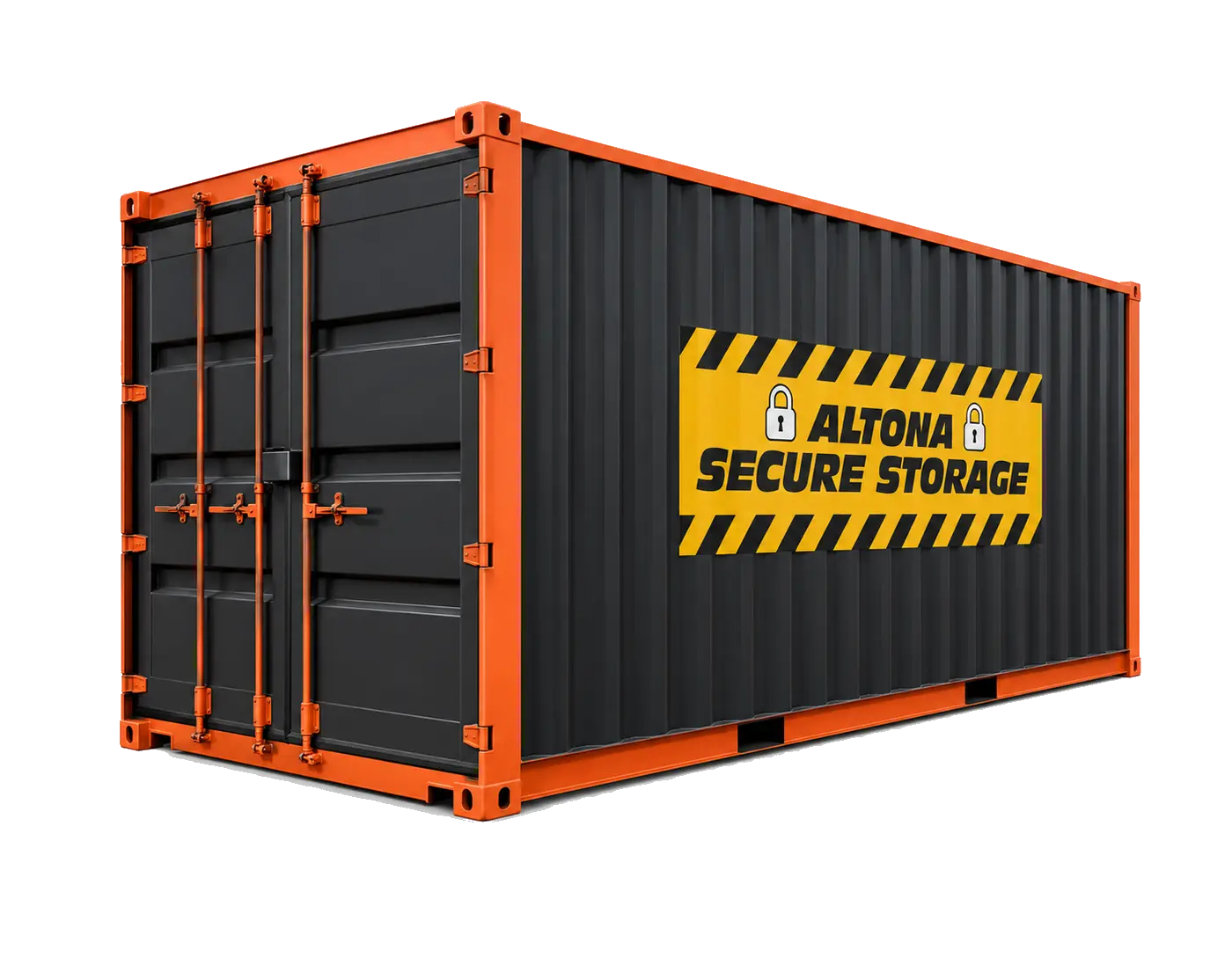
A 10ft container, with approximately 15m³ capacity, can suit focused stock, tools or office overflow. A 20ft container provides approximately 33m³ and more flexibility for mixed inventory, bulky equipment or a working aisle.
- Choose 10ft when the load is modest, relatively uniform and unlikely to grow quickly.
- Choose 20ft when items are bulky, multiple teams need defined zones or frequent access requires an aisle.
Start by measuring the largest pieces, estimating the number of cartons or pallets and allowing room for safe access. Our detailed 10ft versus 20ft comparison covers the practical differences.
A tightly packed container may hold more, but a clearly zoned container can save staff time. If items move in and out regularly, make access part of the size decision.
Build an inventory system from day one
Divide the container into zones
Assign areas by product family, project, team or frequency of use. Mark zones on a basic floor plan and keep it with the inventory. Even a simple system prevents unrelated stock from becoming mixed as new items arrive.
Use consistent labels
Give every box, tub or item a unique reference. Labels should be readable from the access aisle and match a shared inventory. For stock that changes regularly, record quantities and dates so staff know what is available without visiting the container.
Put fast-moving items near the doors
Frequently requested stock, current project tools and returns should be easy to reach. Place long-term or seasonal items toward the rear. Review the layout whenever the business cycle changes rather than letting convenience slowly undo the original system.
Keep loads stable and accessible
Use suitable shelving or pallets only where permitted and safe for the intended load. Keep heavy items low, distribute weight and avoid unstable stacks. The preparation principles in our furniture and belongings guide also apply to equipment and stock.
Think about access and responsibility
Decide who is authorised to access the container, how keys or access credentials are controlled and who owns the inventory record. Remove access promptly when roles change. Keep invoices, serial numbers and photographs for higher-value equipment, and confirm that your insurance arrangements are appropriate for stored business property.
A storage container should support business continuity rather than become a place where forgotten items accumulate. Schedule periodic checks to remove obsolete stock, confirm labels and update the inventory.
Common business storage mistakes
- Choosing on price alone: the cheapest size may become inefficient if staff cannot reach stock or the business outgrows it immediately.
- No single inventory owner: when everyone is responsible, records often fall behind.
- Mixing projects and product lines: clear zones make receiving and retrieval much faster.
- Storing damp or dirty equipment: clean and dry items before they enter the container.
- Ignoring restricted items: confirm unusual, hazardous, pressurised, powered or perishable items with the storage team first.
- Filling the access aisle: protect the working space you allowed in the original layout.
Storage for businesses across Melbourne's west
Altona Secure Storage is located at 7 Reserve Court, Altona, with convenient service coverage across Hobsons Bay, Wyndham and Brimbank. Whether your business operates in Truganina, Derrimut, Brooklyn or elsewhere in Melbourne's west, our team can help you compare the available container sizes.
For a broader look at access, loading and convenience, read our container storage versus self storage comparison. You can also view all service areas or send an availability enquiry to discuss what you plan to store and how often you expect to access it.